// This is a generic paginator for album, photo and movie pages. Depending on the page type,
// there are different sets of variables available. With this data, you can make a paginator
// that lets you say "You're viewing photo 5 of 35", or "You're viewing photos 10 - 18 of 37"
// for album views.
//
// Available variables for all page types:
// $page_type - "collection", "item", or "other"
// $page_subtype - "album", "movie", "photo", "tag", etc.
// $previous_page_url - the url to the previous page, if there is one
// $next_page_url - the url to the next page, if there is one
// $total - the total number of photos in this album
//
// Available for the "collection" page types:
// $page - what page number we're on
// $max_pages - the maximum page number
// $page_size - the page size
// $first_page_url - the url to the first page, or null if we're on the first page
// $last_page_url - the url to the last page, or null if we're on the last page
// $first_visible_position - the position number of the first visible photo on this page
// $last_visible_position - the position number of the last visible photo on this page
//
// Available for "item" page types:
// $position - the position number of this photo
//
?>
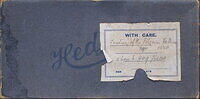
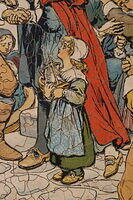
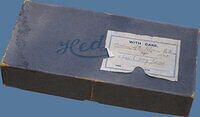
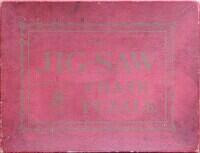
Landing of the Pilgrim Fathers 1620
This was one seriously challenging puzzle, cut predominantly push-fit with intricate colour line-cutting at every opportunity. The almost colourless background contrasts superbly with the bold colour and detail of all of the characters depicted in this artistic depiction of the Pilgrim Fathers arrival at Plymouth Harbour, New England in 1620, their ship The Mayflower at anchor in the background. I believe from style and signature, that the painting is by the British artist/illustrator Ambrose Dudley (1867-1951), although have not found a record of this painting attributed to his name.
Artist: Dudley, A.
Brand: Unidentified
Material: Plywood
Pieces: 809
Size: 17 3/4" x 21 1/4"
Theme: Historical
Title: Landing of ther Pilgrim Fathers 1620
// This is a generic paginator for album, photo and movie pages. Depending on the page type,
// there are different sets of variables available. With this data, you can make a paginator
// that lets you say "You're viewing photo 5 of 35", or "You're viewing photos 10 - 18 of 37"
// for album views.
//
// Available variables for all page types:
// $page_type - "collection", "item", or "other"
// $page_subtype - "album", "movie", "photo", "tag", etc.
// $previous_page_url - the url to the previous page, if there is one
// $next_page_url - the url to the next page, if there is one
// $total - the total number of photos in this album
//
// Available for the "collection" page types:
// $page - what page number we're on
// $max_pages - the maximum page number
// $page_size - the page size
// $first_page_url - the url to the first page, or null if we're on the first page
// $last_page_url - the url to the last page, or null if we're on the last page
// $first_visible_position - the position number of the first visible photo on this page
// $last_visible_position - the position number of the last visible photo on this page
//
// Available for "item" page types:
// $position - the position number of this photo
//
?>