// This is a generic paginator for album, photo and movie pages. Depending on the page type,
// there are different sets of variables available. With this data, you can make a paginator
// that lets you say "You're viewing photo 5 of 35", or "You're viewing photos 10 - 18 of 37"
// for album views.
//
// Available variables for all page types:
// $page_type - "collection", "item", or "other"
// $page_subtype - "album", "movie", "photo", "tag", etc.
// $previous_page_url - the url to the previous page, if there is one
// $next_page_url - the url to the next page, if there is one
// $total - the total number of photos in this album
//
// Available for the "collection" page types:
// $page - what page number we're on
// $max_pages - the maximum page number
// $page_size - the page size
// $first_page_url - the url to the first page, or null if we're on the first page
// $last_page_url - the url to the last page, or null if we're on the last page
// $first_visible_position - the position number of the first visible photo on this page
// $last_visible_position - the position number of the last visible photo on this page
//
// Available for "item" page types:
// $position - the position number of this photo
//
?>
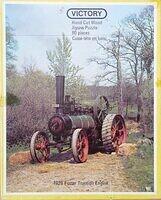
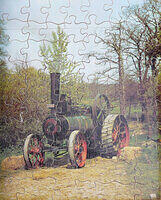
1920 Foster Traction Engine
Chronologically, this is the third puzzle from the series of four Traction Engine puzzles and it features an uncredited photographic image of the 1920 built traction engine Sprig, built by William Foster & Co Ltd of Lincoln.
The puzzle, which carries the same 7198 identification number as all four in the set, was aimed towards the age group 5-9 years and could be assembled inside its shallow tray style box.
Images and details courtesy of Jim Williams.
Artist: Photographic-Uncredited
Date: 1975
Brand: Victory
Material: Plywood
Nationality: British-England
Number: 7198
Pieces: 80
Series: Traction Engine
Size: 7 1/2" x 9 1/4"
Theme: Motoring
Title: 1920 Foster Traction Engine
// This is a generic paginator for album, photo and movie pages. Depending on the page type,
// there are different sets of variables available. With this data, you can make a paginator
// that lets you say "You're viewing photo 5 of 35", or "You're viewing photos 10 - 18 of 37"
// for album views.
//
// Available variables for all page types:
// $page_type - "collection", "item", or "other"
// $page_subtype - "album", "movie", "photo", "tag", etc.
// $previous_page_url - the url to the previous page, if there is one
// $next_page_url - the url to the next page, if there is one
// $total - the total number of photos in this album
//
// Available for the "collection" page types:
// $page - what page number we're on
// $max_pages - the maximum page number
// $page_size - the page size
// $first_page_url - the url to the first page, or null if we're on the first page
// $last_page_url - the url to the last page, or null if we're on the last page
// $first_visible_position - the position number of the first visible photo on this page
// $last_visible_position - the position number of the last visible photo on this page
//
// Available for "item" page types:
// $position - the position number of this photo
//
?>